- All
- Product Name
- Product Keyword
- Product Model
- Product Summary
- Product Description
- Multi Field Search

Views: 0 Author: Site Editor Publish Time: 2025-11-13 Origin: Site


Laser welding revolutionizes manufacturing with precision and speed. Yet, intense heat risks damaging components. Cooling systems are crucial in managing this heat, ensuring machine efficiency and weld quality. In this article, you'll learn about laser welding technology, the vital role of cooling systems, and how they prevent overheating, ensuring continuous, high-quality operations.
Laser welding uses a focused laser beam to melt and join metals together. The laser produces a highly concentrated light energy that heats the metal surfaces rapidly. This intense heat causes the metal to melt and fuse at the joint, creating a strong, precise weld. The process is fast and allows for very fine control, making it ideal for applications requiring high accuracy, such as in automotive, aerospace, and electronics manufacturing.
During laser welding, the laser beam’s energy converts into heat upon contact with the metal. This heat is extremely localized and can reach thousands of degrees Celsius in a fraction of a second. The rapid heating melts the metal in a small area, forming a molten pool that solidifies to create the weld. However, this process generates significant thermal energy not only at the weld site but also in the surrounding machine components, including the laser source, optics, and cooling channels.
Because the laser beam is so powerful, it produces a lot of heat that must be managed carefully. Without proper heat dissipation, the temperature inside the laser welding system can rise quickly, risking damage to sensitive parts and reducing machine efficiency.
Excessive heat can negatively affect welding quality in several ways:
Distortion and Warping: Overheating the metal can cause it to warp or distort, leading to misaligned or weak joints.
Cracking and Porosity: If the heat is uneven or too intense, cracks or pores may form in the weld, compromising strength.
Reduced Precision: Thermal expansion of machine components can affect laser beam focus, reducing weld accuracy.
Component Damage: Overheated optics or laser sources degrade faster, causing downtime and costly repairs.
Maintaining consistent temperature control during welding ensures stable weld pools and high-quality joints. This is why managing heat generation is crucial for both product quality and equipment longevity. Proper heat management in laser welding not only protects the machine but also ensures consistent weld quality and precision for demanding industrial applications.
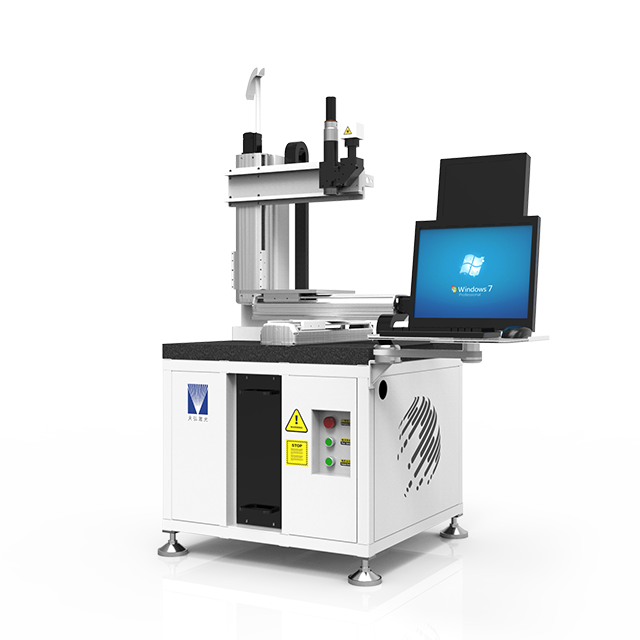
Cooling systems play a crucial role in managing the extreme temperatures generated during laser welding. The laser produces intense heat to melt metals, but this heat can quickly build up and harm the machine’s internal parts. Cooling systems absorb and dissipate this heat, keeping the temperature within safe limits. This ensures the laser source, optics, and other sensitive components remain stable and function optimally. Without effective cooling, the temperature rise could lead to overheating and reduced performance.
Thermal damage is a major risk in laser welding. Excess heat can cause parts to warp, crack, or degrade, which compromises both the machine and the weld quality. Cooling systems prevent this by maintaining a consistent temperature and protecting components from heat spikes. They help avoid costly repairs or replacements caused by thermal stress. For example, water cooling systems circulate chilled water to absorb heat efficiently, preventing damage to the laser crystal and electronic circuits.
A well-designed cooling system supports continuous laser welding operations by preventing overheating shutdowns. When a machine overheats, it must pause to cool down, causing production delays. Cooling systems reduce such downtime, improving productivity. They also enhance energy efficiency since cooler machines operate more effectively and consume less power. For instance, industrial chillers maintain precise temperature control, allowing high-power laser welders to run for extended periods without interruption. This reliability is vital for industries that demand high output and quality.
Laser welding generates intense heat that must be managed effectively. Different cooling systems serve this purpose, each suited for specific laser power levels and applications. Let’s explore the main types used in laser welding technology.
Air cooling is the simplest form of cooling for laser welders. It uses fans or blowers to circulate ambient air around the laser components, dissipating heat into the environment.
Features:
Low cost and easy to maintain.
No need for special fluids or plumbing.
Compact and lightweight design.
Limited cooling capacity, suitable for low-power lasers (typically under 500W).
Use Cases:
Small, portable laser welding machines.
Applications where heat generation is moderate.
Environments where water or liquid cooling is impractical.
Air cooling works well for basic operations but struggles to maintain stable temperatures under heavy loads or continuous use.
Water cooling is the most common cooling method for medium to high-power laser welders. It uses a closed-loop system where water circulates through channels near the laser source and optics, carrying heat away efficiently.
Advantages:
High cooling capacity and better temperature control than air cooling.
Maintains laser stability and beam quality.
Reduces thermal stress on components.
Can be integrated with temperature sensors and alarms for safety.
Applications:
Industrial laser welding systems with power ranging from 500W to several kilowatts.
Continuous operation environments requiring stable temperature control.
Precision welding tasks in automotive, aerospace, and electronics sectors.
Water cooling systems often use deionized or purified water to prevent corrosion and scaling inside the cooling channels, extending equipment life.
Industrial chillers represent the next level of cooling technology for laser welding. These are standalone units designed to provide precise temperature regulation and high cooling power.
Features:
Equipped with compressors, heat exchangers, and pumps.
Temperature control accuracy within ±1°C.
Flow and temperature protection alarms to prevent damage.
Stainless steel components for durability and corrosion resistance.
Applications:
High-power laser welding requiring continuous, long-term operation.
Environments where precise temperature stability is critical.
Integration with next-generation laser welding machines featuring advanced cooling modules.
Industrial chillers optimize energy efficiency and reduce downtime by preventing overheating and ensuring consistent laser performance. Choose a cooling system based on your laser’s power and operational needs—air cooling suits low-power, portable units, while water cooling and industrial chillers support higher power and continuous use.
Laser welding cooling systems consist of several key components designed to keep temperatures stable and protect the machine. Each part plays a vital role in maintaining system reliability and welding quality.
Filters are essential in water-cooled laser welding systems. They remove impurities and particles from the cooling water, preventing blockages in narrow channels and damage to sensitive parts like the laser pump and optics. Using clean, deionized, or purified water is important to avoid corrosion and scaling inside the cooling circuits. Regular filter checks and water replacement help maintain the system’s efficiency and extend its lifespan.
Modern cooling systems include safety features like temperature sensors and flow protection alarms. Temperature sensors monitor the coolant temperature, ensuring it stays within a narrow range—often within ±1°C—to prevent thermal stress on laser components. If the temperature rises too high or drops too low, alarms alert operators to take action.
Flow protection systems detect insufficient coolant flow, which can cause overheating. When flow drops below a set threshold, the system triggers an alarm or automatically shuts down the laser to avoid damage. These protective measures minimize downtime and costly repairs by catching problems early.
The materials used in cooling systems must withstand constant exposure to water and temperature changes. Stainless steel is commonly used for water tanks, pumps, and heat exchangers because it resists corrosion and maintains structural integrity over time. High-quality compressors and pumps ensure stable coolant circulation.
Design-wise, cooling systems are compact yet robust. They include adjustable controls for temperature and flow rate, allowing operators to fine-tune settings based on laser power and workload. Some systems also have water level alarms to prevent operation when coolant is low, protecting the laser from overheating.
Next-generation laser welding machines often come equipped with integrated cooling modules. These modules are designed as compact, self-contained units built directly into the laser system. They combine multiple cooling functions—such as temperature control, flow regulation, and filtration—into one streamlined package. This integration reduces the need for separate external chillers or cooling units, saving space and simplifying setup.
Integrated cooling modules use advanced sensors to monitor temperature and flow in real-time, adjusting the cooling power automatically. This helps maintain optimal laser performance by keeping the laser source and optics within precise temperature ranges. The modules also include safety features like automatic shutdown triggers if cooling parameters fall outside safe limits. This integration enhances machine reliability and reduces operator workload.
Next-generation cooling systems offer several advantages over traditional setups:
Improved Temperature Stability: Precise control keeps laser components within tight temperature tolerances, enhancing weld consistency.
Compact Design: Smaller, integrated units free up workspace and reduce system complexity.
Energy Efficiency: Smart controls adjust cooling power only as needed, lowering energy consumption.
Reduced Downtime: Automated monitoring and alarms help prevent overheating and equipment failures.
Simplified Maintenance: Modular designs allow easier access to filters and pumps, speeding up routine service.
Enhanced Safety: Built-in protection features reduce risks of thermal damage to laser components.
These benefits translate into higher productivity, better weld quality, and lower operating costs for manufacturers using laser welding technology.
Several advanced cooling solutions exemplify next-gen technology:
Compact Water Chillers with Digital Controls: These chillers maintain temperature within ±1°C, feature touchscreen interfaces, and provide real-time diagnostics.
Integrated Thermoelectric Coolers: Some laser welders use thermoelectric modules that cool critical components without fluids, reducing leak risks.
Closed-Loop Cooling Modules with Filtration: These systems recirculate purified water through stainless steel channels, preventing corrosion and scaling.
Smart Cooling Systems with IoT Connectivity: Connected cooling units send performance data to cloud platforms, enabling predictive maintenance and remote monitoring.
For example, a 3 kW fiber laser welder may include a compact integrated chiller that automatically adjusts coolant flow based on laser power output, ensuring stable operation during long production runs. Another example is a handheld laser welding system with a built-in thermoelectric cooler, offering portability without sacrificing temperature control.

When cooling systems fail or are insufficient, laser components overheat quickly. Excessive heat causes the laser source to lose efficiency, reducing its output power. The laser crystal and pump diodes operate best within a narrow temperature range. If temperatures rise beyond this, the laser beam quality deteriorates, and power drops. This means welds become weaker or inconsistent because the laser cannot maintain the required energy level. Over time, repeated overheating shortens component life, leading to permanent performance loss.
Heat not properly managed affects weld quality significantly. Overheated laser systems produce unstable beams that cause irregular welds. Problems include:
Porosity: Tiny holes form in the weld due to inconsistent melting.
Cracking: Thermal stress causes cracks, weakening joints.
Distortion: Excess heat warps metal parts, misaligning weld seams.
Inconsistent Penetration: Uneven heat leads to shallow or excessive weld penetration.
These defects reduce the strength and appearance of welded parts, making them unsuitable for high-precision or safety-critical applications. Cooling issues directly lead to costly scrap or rework.
Without effective cooling, laser welding machines face frequent breakdowns. Overheated parts can fail suddenly, causing unplanned stops. Common failures include:
Laser diode burnout
Damage to optical lenses or mirrors
Pump or chiller breakdowns
Electronic control unit malfunctions
Each failure requires repair or replacement, increasing maintenance costs and production downtime. In industries where uptime is critical, such as automotive or aerospace manufacturing, this downtime impacts delivery schedules and profitability. Proper cooling reduces these risks by keeping the system stable and protected.
Tip: Regularly monitor cooling system performance, including coolant temperature and flow rates, to prevent overheating and avoid costly laser welding disruptions.
Cooling systems are vital in laser welding, ensuring temperature control and preventing damage to components. Investing in advanced cooling technology enhances weld quality and machine efficiency. Future trends focus on integrated and smart cooling solutions, promising better performance. Tianhong Laser offers innovative laser welding technology with exceptional cooling systems, providing reliable and high-quality solutions for various industries. Their products deliver value by maximizing productivity and minimizing downtime, making them a leader in laser welding advancements.
A: Cooling systems manage extreme heat generated during laser welding, preventing thermal damage and ensuring machine stability and optimal performance.
A: They prevent overheating, reduce downtime, enhance energy efficiency, and improve weld quality by maintaining consistent temperature control.
A: It protects sensitive laser components, ensures precise welds, and extends equipment lifespan by preventing thermal stress and damage.
A: Inadequate cooling can lead to reduced laser output power, degraded weld quality, frequent system failures, and increased downtime.